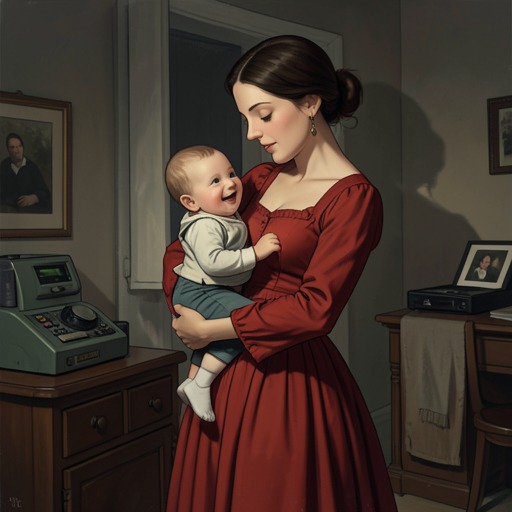
Megan and Libby’s mother-daughter relationship
The Girl on the TrainMegan Hipwell’s relationship with her daughter, Elizabeth (Libby), is defined by a painful collision between attachment and loss. Megan describes a pregnancy she was unprepared for and says neither she nor Mac wanted the baby; after Libby is born, however, she remembers her as lovely, gentle, and deeply cherished. Libby’s accidental death while Megan is caring for her turns that early bond into a source of lasting grief and guilt, shaping Megan’s memories long after the child is gone.
Pregnancy and the beginning of the bond
Megan tells Kamal Abdic that she became pregnant and realized too late that she would have chosen to end the pregnancy. She describes herself as oblivious to what was happening and says that, at the time, Libby was wanted by neither parent. This stark account does not exhaust her feelings about the child who followed: in the same recollection, Megan can acknowledge how unwanted the pregnancy had seemed while also preserving the tenderness she later felt for Libby.
Megan gives birth at home. Hospitals are difficult for her because her last visit had been when her brother, Ben Mills, was killed. She had attended none of the scans; she had been smoking and drinking, and says she could not face the lectures or the reality of what was happening. Mac arranged for a friend with nursing experience to come to the house. The birth was painful and frightening, but Megan remembers the baby as very small, with dark eyes and blonde hair. She cannot recall Libby’s exact weight, a gap she regards with regret, yet she remembers other details distinctly: Libby slept well from the beginning, did not cry much, and seemed to her a good girl. Megan had expected motherhood to be harder than it was.
The child’s name makes the bond newly tangible in Megan’s telling. She names her Elizabeth, usually called Libby, and repeats the name as if its sound has become precious through long disuse. As she speaks, Kamal listens without interrupting. His patience gives Megan room to say aloud a history she has kept buried; when her distress deepens, he eventually takes her hand. The act of naming Libby marks a shift from speaking about an old loss in general terms to recognizing the particular child Megan remembers.
Care, exhaustion, and Libby’s death
When Libby is only a few months old, Megan and Mac have an argument. Their quarrels could escalate into shouting, and either might leave; this time it is the first such departure since Libby’s birth. Megan is left in a cold, rain-lashed house. Water drips into buckets beneath the leaking roof, and the fire she lights in the living room repeatedly goes out. Drinking to warm herself does not work. Exhausted, she decides to take a bath and brings Libby with her, laying the baby on her chest beneath her chin.
Megan falls asleep. When she becomes aware again, Libby is no longer on her chest: the baby is wedged between Megan’s arm and the side of the tub, with her face in the water. The account gives the accident through Megan’s confused return to the scene rather than through a detached explanation. The contrast is devastating: the bath had been an attempt to cope with cold and fatigue while keeping Libby close, but Megan’s exhaustion leaves her unable to protect her daughter. The narration preserves the physical facts Megan cannot escape—the water, the cold, and Libby’s body—without suggesting that Megan intended harm.
Burial, separation, and lasting grief
After Mac returns, Megan remembers being on the bathroom floor with Libby in her arms. She screams at him to turn on the light off, unable to bear seeing the baby; when he shouts at her, she gives Libby to him and runs into the rain, eventually reaching the dunes. She considers going into the water but is too frightened. Mac later brings her home. The episode leaves Megan’s recollection fragmented: she cannot account for everything that happened after she ran, but she remembers the fear and the scene in the bathroom with painful clarity.
The next morning, Megan wraps Libby in a sheet, and Mac digs a grave near the edge of the property, beside a disused railway line. They cover it with stones. They do not talk about what has happened or look at one another. That night Mac says he has to meet someone and leaves; Megan wonders whether he intends to go to the police, waits for him, and says he never returns. Libby’s burial is therefore also the point at which Megan’s relationship with Mac breaks into permanent separation, leaving her alone with the loss and the memory of how it happened.
Megan says that the aftermath continues to intrude at night. She remembers walking through the dark rooms, hearing Libby cry and imagining the smell of her skin; she wakes convinced someone—or something—is in the house. These experiences are presented as Megan’s recollections and fears, not as proof that Libby is literally present. In telling Kamal, she describes loneliness and terror alongside the enduring wish not to have left her daughter. His response is to remain with her and listen rather than recoil. The relationship’s brief domestic tenderness, its catastrophic ending, and Megan’s continuing guilt all meet in this act of testimony: Libby is gone, but speaking her name restores her as a particular and loved child.